

Introduction
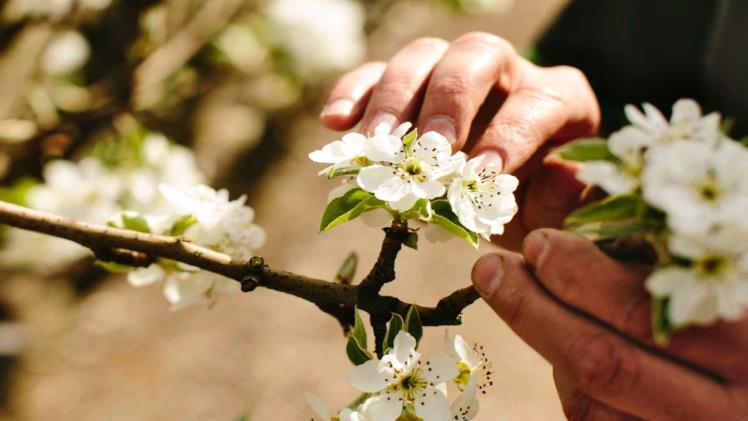
Fruit trees are a delightful addition to any garden, providing us with a bountiful harvest of delicious and nutritious fruits. However, many people underestimate the fascinating process of pollination that ensures successful fruit production. In this article, we will explore the importance of cross-pollination in fruit tree cultivation and discuss the best practices that can enhance the pollination process. Whether you’re an experienced gardener or a beginner, understanding these concepts will help you maximize your fruit tree yields and enjoy the fruits of your labor.
1. The Significance of Pollination
-
-
The Basics of Pollination
-
Pollination is a natural reproductive process that involves the transfer of pollen from the male reproductive organ (stamen) to the female reproductive organ (pistil) of a flower. This process is crucial for fruit trees as it leads to fertilization, seed development, and ultimately, the formation of fruit.
-
The Role of Cross-Pollination
Cross-pollination occurs when pollen is transferred between flowers of different fruit tree varieties or different trees of the same variety. It plays a vital role in fruit tree cultivation for several reasons.
2. Benefits of Cross-Pollination
-
-
Genetic Diversity
-
Cross-pollination helps maintain genetic diversity within fruit tree populations. When pollen from one variety fertilizes the flowers of another, it introduces genetic variations that can enhance disease resistance, fruit quality, and overall tree vigor. Genetic diversity is crucial for the long-term health and sustainability of fruit tree populations.
-
Increased Fruit Set and Quality
Cross-pollination often results in improved fruit set and higher-quality fruits as specialists explain on the following page: https://www.fruit-trees.com/fruit-trees-care-and-planting-tips/how-to-choose-fruit-trees-for-your-home-garden-1613385211.html
Also according to CRJ Fruit Trees, many fruit tree species have developed mechanisms to prevent self-pollination, ensuring that pollen from a different variety is needed for successful fertilization. The introduction of genetically different pollen enhances the development of healthy and robust fruits, contributing to better taste, texture, and overall fruit quality.
-
Pollination Partnerships
Some fruit tree varieties require cross-pollination for fruit production. These varieties, known as “self-unfruitful” or “self-sterile,” cannot produce fruits without the presence of a compatible pollinator. Understanding the pollination requirements of different fruit tree varieties is essential for establishing effective pollination partnerships in your garden.
3. Best Practices for Fruit Tree Pollination
-
-
Selecting Compatible Pollination Partners
-
When choosing fruit tree varieties for your garden, consider their pollination requirements. Some trees are self-fertile, meaning they can produce fruits without cross-pollination. However, many varieties benefit from cross-pollination with compatible partners. Research the pollination needs of each tree and ensure you have suitable companions nearby to ensure successful pollination makeeover.
-
Planting Distance and Layout
To facilitate cross-pollination, plant fruit trees in close proximity to one another. Most fruit trees rely on pollinators such as bees, butterflies, and other insects to transfer pollen. By planting trees within a 50-foot radius, you increase the chances of successful pollination. Consider the layout of your garden or orchard to allow efficient movement of pollinators between trees, ensuring maximum pollination coverage.
-
Creating a Pollinator-Friendly Environment
Creating a pollinator-friendly garden is crucial for successful fruit tree pollination. Avoid using harmful pesticides during bloom, as they can harm beneficial insects and disrupt the pollination process. Opt for organic pest management methods that are safe for pollinators. Additionally, plant a variety of native flowering plants in your garden to attract a diverse range of pollinators and provide them with abundant nectar and pollen sources throughout the season.
-
Timing and Synchronization
Timing plays a vital role in successful cross-pollination. Choose fruit tree varieties with overlapping bloom periods to ensure synchronized flowering. This allows pollinators to transfer pollen between flowers more effectively. Proper timing ensures that the pollen-receptive stigma of the pistil is receptive when pollen grains are available for transfer.
Conclusion
Understanding the importance of cross-pollination in fruit tree cultivation is essential for maximizing yields and enjoying a fruitful harvest. Cross-pollination promotes genetic diversity, increases fruit set and quality, and ensures the success of self-unfruitful varieties. By selecting compatible pollination partners, optimizing planting distances, creating a pollinator-friendly garden, and synchronizing bloom times, you can create an environment that facilitates efficient cross-pollination.
Embrace the fascinating process of pollination, and witness the abundant rewards in your fruit tree orchard. With the right knowledge and best practices, you can enhance the pollination process, optimize fruit production, and create a thriving garden ecosystem. Happy gardening and enjoy the sweet fruits of your labor!
